Table of Contents
ToggleWhen the sun dips below the horizon, most yards go dark, a missed opportunity. A well-planned outdoor lighting service transforms your backyard into an inviting evening retreat, improves security, and boosts curb appeal. Whether you’re a DIY enthusiast considering a DIY installation or ready to hire a professional, understanding outdoor lighting options helps you make the right choice for your home. This guide walks you through what outdoor lighting service entails, why it matters, and how to avoid common pitfalls.
Key Takeaways
- Professional outdoor lighting service transforms backyards into inviting evening retreats while improving security, curb appeal, and property value.
- Line-voltage electrical work requires a licensed electrician and permit in most jurisdictions, while low-voltage and solar options are safer for DIY installation.
- Proper transformer sizing, wire gauge selection, and weatherproofing are critical to avoiding dim lights, voltage drop, and corrosion in outdoor lighting systems.
- Layered lighting design using warm-white LEDs (2700K) with task, accent, and ambient fixtures creates depth without over-lighting or energy waste.
- Always call 811 before digging to locate buried utilities, and hire contractors with verified licensing, insurance, and references for reliable outdoor lighting service.
What Is Outdoor Lighting Service?
Outdoor lighting service encompasses the design, installation, and maintenance of lighting systems in exterior spaces. This includes deck lights, pathway illumination, uplighting for trees, spotlights, ambient fixtures, and landscape accent lighting. A professional outdoor lighting service typically involves a site assessment, design consultation, installation of wiring and fixtures, and sometimes ongoing maintenance.
DIY homeowners often handle basic projects, hanging string lights or installing solar stake lights, while more complex work (running low-voltage or line-voltage wiring, integrating smart controls) benefits from professional expertise. The scope ranges from simple and cosmetic to structural work requiring electrical permits and licensed electricians.
Why Professional Outdoor Lighting Installation Matters
Safety and Security Benefits
Proper outdoor lighting deters burglars and reduces accidents on steps, pathways, and uneven ground. Motion-activated fixtures above entry points and along property lines create a visible security perimeter. A professional installer ensures all wiring meets electrical codes, loose connections, inadequate grounding, or undersized wire create fire and shock hazards.
If your project involves running electrical wire beyond 20 feet or using line-voltage (120V) fixtures instead of low-voltage (12V) systems, check local building codes: many jurisdictions require a licensed electrician and a permit. Even seasoned DIYers respect this boundary.
Aesthetic Appeal and Property Value
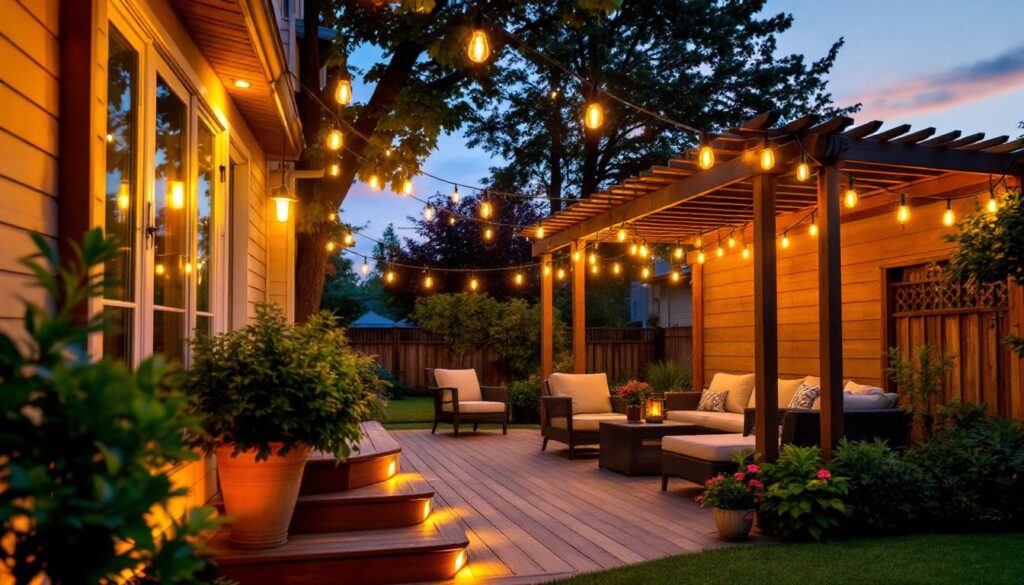
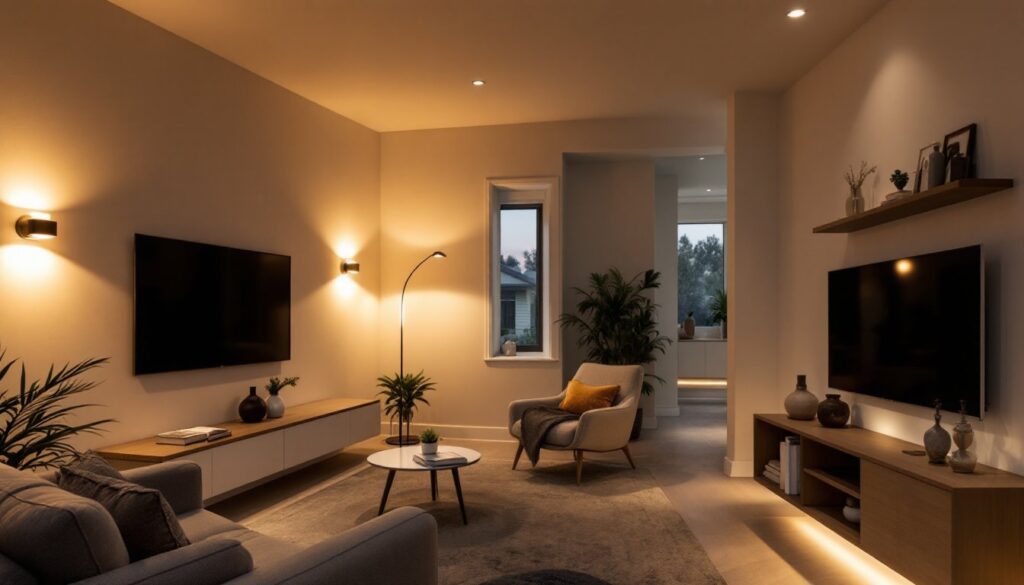
Well-designed outdoor lighting highlights architectural features, creates ambiance, and extends living space into evening hours. Studies show that thoughtful exterior lighting can add perceived value and charm to a home. Professional designers understand layering, combining task lighting (for function), accent lighting (for drama), and ambient lighting (for overall mood), to create depth and visual interest.
Inconsistent fixture styles, overlighting, or poorly aimed lights cheapen the result. A professional outdoor lighting installation typically considers color temperature, beam angles, and fixture placement to complement your home’s architecture and landscape.
Types of Outdoor Lighting Solutions
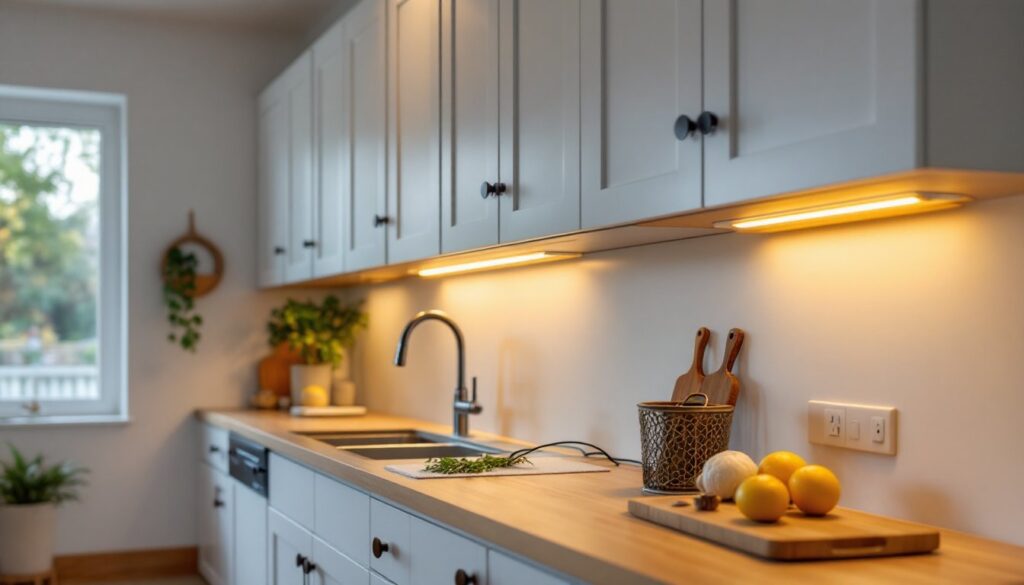
Low-voltage landscape lighting (12V) is the workhorse for DIYers and pros alike. A transformer steps down standard household voltage: wiring buried in soil or tucked along planting beds connects spotlights, path lights, and accent fixtures. Low-voltage systems are safer, easier to install, and flexible, though they cost more upfront than incandescent options and require careful transformer sizing.
Solar lighting requires no wiring or electricity, just sunlight and decent drainage. Quality solar path lights and accent fixtures are reliable and cost-effective for small installations, though they perform poorly in shaded areas and may fade after a few seasons of UV exposure.
Line-voltage fixtures use standard household current (120V) and include recessed soffit lights, pole-mounted fixtures, and wall sconces. They’re brighter and more durable than low-voltage alternatives but demand proper wiring, GFCI protection (ground-fault circuit interrupter), and often a permit. This is professional territory.
Smart and connected lighting integrates timers, dimmers, color-changing LEDs, and smartphone control. Brands offering reliable outdoor smart systems include Philips Hue, Nanoleaf, and LIFX. Setup adds cost but pays dividends in convenience and energy savings. Many homeowners combine a professional install with DIY smart upgrades later.
String lights and bistro lighting create ambiance over patios and dining areas. Weather-resistant options exist, but these fixtures are typically cosmetic and easily installed by hand.
Common Outdoor Lighting Service Mistakes to Avoid
Underestimating transformer capacity. A 300W transformer seems plenty until you wire ten path lights (15W each) plus two spotlights (50W each), reaching 200W at full load. Pros size transformers 20–25% above expected wattage: undersizing dims lights and shortens fixture lifespan.
Forgetting about wire gauge. Low-voltage wiring is cheap, until a 50-foot run causes voltage drop and dim lights. Run 10-gauge wire for distances beyond 100 feet: shorter runs tolerate 12- or 14-gauge. Chart the distance before ordering parts.
Skipping weatherproofing. Outdoor wiring connections corrode fast in wet climates. Use waterproof connectors, bury wire 6–12 inches deep or run it through conduit, and ensure all fixtures are rated for outdoor use (IP65 or higher).
Over-lighting or poor aim. Blasting your whole yard with light looks industrial and wastes energy. Instead, use layered, warm-white LED fixtures (2700K color temperature) angled downward to avoid light spill onto neighbors’ yards.
Skipping site inspection and permits. Buried utilities (gas, water, electric) complicate installation. Call 811 before digging. If your project requires a permit, get one, DIY electrical work discovered during a property sale or after an accident can nullify insurance and create liability.
Consult resources like HomeAdvisor or ImproveNet for cost guides and contractor reviews if you’re comparing DIY vs. professional work.
Finding the Right Outdoor Lighting Service Provider
Start by defining your scope: Are you lighting a small pathway, a whole deck, or an entire landscape? Get 3–5 quotes from licensed electricians and outdoor lighting specialists in your area. A reputable contractor should ask about your goals, visit the site, and explain their design reasoning, not just give a price over the phone.
Verify licensing, insurance, and references. In many states, anyone installing line-voltage electrical systems must hold a valid electrician’s license: low-voltage work may not require licensing, but experience matters. Ask how they handle permits and if the cost is included in their quote.
Discuss warranty, maintenance plans, and energy efficiency. Quality LED fixtures last 25,000–50,000 hours (decades) and use 75% less energy than incandescent bulbs. Some contractors offer seasonal adjustments (thinning overgrown trees that now block light) and fixture upgrades as part of ongoing service.
Budget-conscious homeowners might hire a pro for design and high-voltage work, then handle low-voltage path light installation themselves. A lighting store with design expertise can also supply fixtures and offer installation advice if you prefer a hybrid approach.
<h2 id="” data-id=””>Conclusion
Outdoor lighting service ranges from simple DIY solar installations to complex professional electrical work. Thoughtful design, proper materials, and correct installation separate an oasis from an eyesore. If your project involves buried wiring, line-voltage circuits, or a large landscape, hire a licensed professional. For low-voltage or solar work, confident DIYers can succeed with careful planning and attention to detail. Either way, start with a clear vision, respect building codes, and don’t skimp on weatherproofing, your evening retreat will thank you.