Table of Contents
ToggleIndustrial outdoor lighting has evolved far beyond warehouse aesthetics. Today’s homeowners are embracing exposed bulbs, cast-iron fixtures, and steel frameworks to add character and genuine utility to patios, entryways, and yard spaces. Whether you’re drawn to the raw honesty of bare Edison bulbs or the sculptural appeal of articulating arms, industrial fixtures deliver both style and substance. They’re durable, relatively forgiving on installation, and work as well for backyards as they do for farmhouse porches. This guide walks you through what industrial outdoor lighting actually is, where to place it for maximum impact, and how to keep it performing season after season.
Key Takeaways
- Industrial outdoor lighting combines durability and authentic aesthetic by featuring exposed metal, visible sockets, and function-first design that celebrates honest infrastructure.
- Popular styles include pendant lights with dome shades, gooseneck fixtures, wall sconces, and pendant track systems—each suited to different outdoor spaces from entryways to patios.
- Powder-coated steel and galvanized cast iron offer the best balance of durability, availability, and cost for most homeowners choosing industrial fixtures.
- Proper placement at 6–10 feet high for entryways and task areas, combined with correct electrical installation using conduit and grounded connections, ensures both safety and maximum lighting impact.
- Industrial fixtures require minimal maintenance—seasonal rinsing for powder-coated finishes, quarterly oiling for raw finishes, and annual inspection of gaskets and bolts—making them ideal for long-term performance.
What Is Industrial Outdoor Lighting?
Industrial outdoor lighting draws inspiration from factory, mill, and warehouse design, think exposed filaments, unfinished metal, and no-nonsense construction. These aren’t delicate fixtures hiding their mechanics: they celebrate them. A typical industrial outdoor light features a metal shade (usually steel, aluminum, or cast iron), a visible socket, and minimal decoration. The style embraces patina, rust, and the honest look of working-class infrastructure.
What makes industrial different from other outdoor styles is the emphasis on function-first aesthetics. A farmhouse fixture might soften its lines with antique finishes: industrial doubles down on authenticity. You’ll see recessed sockets, articulating arms that feel mechanical, and finishes that are matte, powder-coated, or raw metal rather than polished brass. The appeal lies partly in the materials themselves, heavy gauge steel and cast iron convey durability, and partly in the no-frills design language that reads as honest and unpretentious.
Key Benefits for Homeowners and DIY Projects
Industrial fixtures are a smart choice for several practical reasons. First, they’re built to take a beating. Cast-iron housings and steel brackets don’t dent or crack easily, and they age visibly without falling apart, weathering is part of the design, not a flaw. Second, they’re often easier to install than ornate alternatives. Most industrial outdoor lights mount directly to wall studs or overhead framing without fussy trim rings or decorative escutcheons. You’re bolting metal to wood or concrete, not fussing with finial threads.
Third, they pair surprisingly well with modern, farmhouse, rustic, and even contemporary home exteriors. Unlike period fixtures that demand matching aesthetics, industrial lighting acts like a neutral accent. It reads as intentional rather than theme-park themed. Finally, they offer genuine visibility. Industrial shades direct light downward and outward efficiently, no softening diffusers or milk glass that absorbs lumens. For task lighting on a shop wall, over a loading zone, or along a pathway, that directional output is a real asset. And because the style doesn’t trend toward precious finishes, a dented or weathered fixture often looks better than a pristine one.
Popular Industrial Outdoor Lighting Styles
Industrial outdoor lighting comes in several recognizable flavors, each with its own presence.
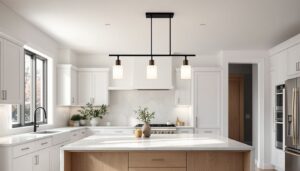
Pendant lights with dome shades suspend from chains or rigid stems and cast light downward in a tight pool. They work over an outdoor bar, kitchen counter, or entryway overhang. Gooseneck fixtures bend upward with an adjustable arm, originally designed for loading docks and railway platforms. They’re excellent for illuminating a side entrance or barn door without a ceiling mount. Wall sconces mount flat against siding or masonry and typically feature a single bulb in a simple metal cage. For a hallway or porch, they’re compact and affordable. Pendant track systems install along a ledge or soffit and let you position multiple heads along a rail, ideal for a long workspace or patio sequence.
Metal Fixtures and Materials
The material you choose affects both appearance and longevity. Cast iron is heavier and more decorative: it patinas beautifully and handles freeze-thaw cycles well. Steel is lighter, stronger, and more uniform: it can rust if the powder coat fails, but it’s easier to mount on slender arms. Aluminum won’t rust and is easiest to handle, but it lacks the industrial heft that draws people to the style. Stainless steel is nearly indestructible and works in coastal salt-spray zones, but it costs significantly more.
For a home application, powder-coated steel or galvanized cast iron are sweet spots. They’re durable, widely available, and price-accessible. Raw steel and bare iron require more maintenance, regular oiling or waxing, but they develop character fast. If you’re mounting near saltwater or in a harsh climate, stainless or heavily sealed finishes are worth the premium.
Placement and Installation Tips for Maximum Impact
Location determines whether your fixture is a workhorse or just decoration. Entryways and porches are the obvious choice. Mount a single gooseneck or dome pendant 6 to 8 feet high, centered above the door or offset to one side if the entry is asymmetrical. This height lets light spill down without blinding visitors and gives the fixture breathing room.
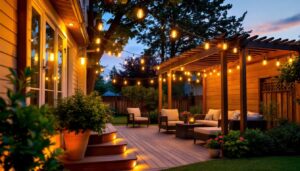
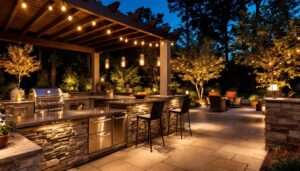
Patios and outdoor living spaces benefit from clusters or sequences. Install multiple pendant lights 8 to 10 feet apart along the perimeter, spaced roughly 6 feet above walking height. This creates visual rhythm and practical ambient illumination. For task lighting over a grill or bar, mount fixtures 7 to 9 feet high so the shade directs light onto work surfaces without excessive glare.
Side yards and pathways are perfect for wall-mounted sconces spaced 10 to 12 feet apart. This guides foot traffic and adds security without overlighting. For DIY installation, locate wall studs with a stud finder before drilling. Use lag bolts or through-bolts (never drywall anchors alone) into solid framing. If mounting on masonry, use concrete anchors rated for the fixture’s weight. Drill pilot holes slightly smaller than the anchor diameter to prevent cracking.
Electrical rough-in is the critical step. Run conduit from your breaker or switch to the fixture location before mounting brackets. Most industrial outdoor lights use standard 3/8-inch NPT (National Pipe Thread) connections, so conduit and fittings are off-the-shelf. If you’re uncertain about running new circuits or working in wet locations, hire a licensed electrician. Outdoor wiring is governed by NEC (National Electrical Code) rules, and mistakes create fire or shock hazards. Bond all metal parts to ground, the fixture housing and any nearby metal frames or railings should be electrically continuous and grounded. Permit requirements vary by jurisdiction, so check with your local building department. Many localities require permits for new outdoor circuits or fixtures over a certain voltage or wattage.
Maintenance and Long-Term Care
Industrial fixtures are low-maintenance, but a little seasonal care extends their life and keeps them looking intentional.
Powder-coated finishes require the least intervention. Rinse with a garden hose twice yearly, spring and fall, to remove dust and pollen. If you notice small chips or rust spots, touch up with rust-inhibiting paint or spray primer. Raw or oiled finishes need more attention. Inspect quarterly: if surfaces look dry or dull, wipe down with a lint-free cloth and apply a thin coat of machine oil or clear marine wax. This prevents oxidation and maintains the warm patina most folks appreciate.
Bulbs and sockets are standard replacements. Use wet-location-rated bulbs in fixtures that aren’t fully shielded. LED bulbs are ideal, they save energy and last 25,000+ hours, so you won’t be up a ladder often. Avoid cheap incandescent or halogen bulbs outdoors: the humidity shortens lifespan dramatically. Check gaskets and seals annually: if caulking cracks around the base where the fixture meets the wall, re-caulk with exterior-grade silicone to prevent water intrusion.
Rust and corrosion are part of the aesthetic, but creeping rust can weaken joints. If rust extends across a seam or joint, wire-brush it back to bare metal, wipe clean, and touch up with rust converter or primer. Heavy pitting or structural rust warrants replacement. Most industrial fixtures cost $40 to $200, so replacement is often simpler than heroic restoration. Finally, inspect mounting bolts and brackets after heavy wind or winter freeze-thaw cycles. Loosen and retighten any fasteners that have worked loose. Keeping hardware snug prevents vibration and water pooling.
Conclusion
Industrial outdoor lighting is practical, durable, and visually distinctive without demanding a complete design overhaul. Whether you install a single gooseneck over an entry or a sequence of pendants along a patio, these fixtures deliver real light and genuine character. Start with a clear location, secure the electrical rough-in, and don’t skip the bolts. A well-mounted industrial light will outlive trends and weather gracefully. Your yard deserves fixtures that work as hard as you do.