Table of Contents
ToggleGood lighting can transform a living room from an uncomfortable space into a warm, inviting retreat. Many homeowners assume a single ceiling fixture is enough, but that approach leaves rooms feeling flat and unwelcoming. Cozy living room lighting is about layering different light sources, ambient, task, and accent, to create depth, flexibility, and atmosphere. This guide walks you through the practical choices that turn an ordinary room into a space where people actually want to spend time, from selecting the right bulb temperature to positioning fixtures that work with your room’s layout.
Key Takeaways
- Cozy living room lighting relies on layering three types of light sources—ambient, task, and accent—rather than depending on a single overhead fixture for comfort and atmosphere.
- Warm color temperatures between 2700K and 3000K create the most intimate and psychologically calming environments, while cool white tones above 4000K feel clinical and inhibit relaxation.
- Quality dimmable LED bulbs with diffusers or frosted shades soften light output and enable smooth, gradual dimming that enhances coziness without flickering or harsh glare.
- Task lighting positioned at specific spots like beside an armchair or flanking a sofa requires 60–100 watt equivalent bulbs for reading comfort, while accent lighting should use only 25–40% of your ambient light brightness.
- Installing multiple switches or dimmer controls allows you to adjust lighting independently for different activities—movie mode, reading mode, and entertaining mode—without rewiring your space.
Why Lighting Matters for Cozy Spaces
Lighting is often an afterthought in home design, but it’s actually the foundation of how a room feels. Poor lighting can make a well-decorated space feel sterile or depressing. Warm, properly layered lighting does the opposite, it encourages people to relax, makes colors in your decor pop, and creates psychological comfort that cooler overhead lights simply can’t match.
The science backs this up: color temperature and light intensity affect mood and circadian rhythms. That’s why spaces lit with warm light (2700K–3000K) feel more intimate than those bathed in cool fluorescent (5000K+). Beyond mood, good cozy living room lighting also serves practical needs. You need enough light to read a book without straining, see guests’ faces during conversation, and highlight décor elements you’ve invested in.
The key is ditching the “one fixture fixes all” mindset. Instead, think of your living room lighting as a system with multiple switches and dimmers that you can adjust based on time of day and activity. A dimmed floor lamp creates one atmosphere for movie night: switched-on table lamps and accent lights create another for hosting friends.
Types of Lighting for Cozy Living Rooms
Ambient Lighting Foundations
Ambient lighting is the baseline, the general illumination that lets you move safely through your room and see objects clearly. Many homes rely solely on a ceiling-mounted fixture for this, which often creates harsh shadows and doesn’t feel inviting.
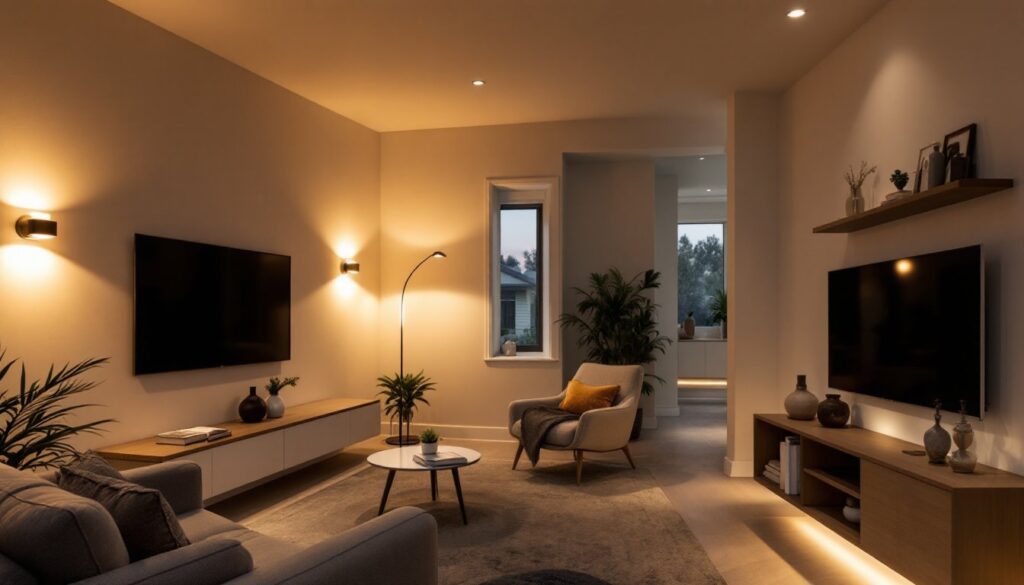
For cozy spaces, distribute ambient light across multiple sources rather than relying on one overhead. Recessed lights (if you have them) work well, but they’re often too bright without dimmer switches. A better approach for most living rooms is combining softer overhead options with wall-mounted fixtures or even uplighting from corners. Aim for indirect ambient light that bounces off walls and ceilings rather than pointing straight down at people’s heads.
Task Lighting for Comfort and Function
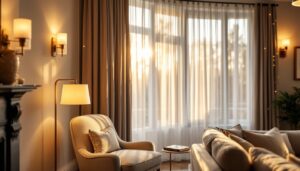
Task lighting handles specific activities: reading, working on a laptop, or doing needlework. Without dedicated task light, people end up slouching toward their light source or straining to see details. Table lamps flanking a sofa or positioned beside an armchair provide focused light exactly where it’s needed.
Look for lamps with shades that direct light downward and inward, not spilling all over the room. A 60–75 watt equivalent LED bulb (roughly 800–1100 lumens) works well for reading without bleaching out the room. Swing-arm wall lamps are also excellent for task work: they adjust position without eating table surface.
For cozy living rooms, task lighting doubles as decorative accent. A well-chosen table lamp becomes part of the room’s visual story, not just a utilitarian fixture. This is where style and function genuinely overlap.
Accent Lighting for Warmth and Depth
Accent lighting highlights architectural features, artwork, or shelving, and creates the warmth that makes a room feel genuinely cozy. Picture lights over artwork, strip lighting behind floating shelves, or uplighting in room corners all fall into this category. Accent lights typically use 25–40% of the brightness of your ambient light and should feel directional and purposeful.
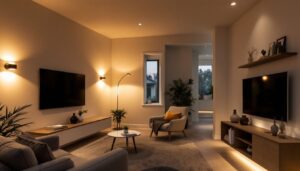
Wall sconces are accent lighting superstars. They flank a fireplace, highlight an entryway, or create balance on either side of a media console. Dimmers let you adjust accent lighting from subtle to prominent depending on the occasion. String lights, LED candles, or small spotlights directed at plants or textured walls also build layered warmth. The goal is to create visual interest and depth, to avoid that flat, fully-lit-from-above feeling that kills coziness.
Choosing the Right Bulbs and Color Temperature
The bulb you choose matters as much as the fixture type. LED bulbs are the practical standard now, they’re energy-efficient, last 15–25 years, and come in every color temperature you could need. Incandescent bulbs are largely phased out and aren’t practical for layered lighting setups.
Color temperature is measured in Kelvins (K). For cozy spaces, stick to warm white: 2700K feels most intimate (similar to candlelight), while 3000K is slightly brighter but still warm. Avoid anything 4000K and above in living areas, those “cool white” tones feel clinical and suppress melatonin production, making it harder to relax.
Wattage equivalence on LED bulbs confuses many buyers. A 9–10 watt LED produces about as much visible light as a 60 watt incandescent. For ambient light in a typical living room, you’re looking at 40–60 watt equivalent per fixture. Task lighting needs more punch, 60–100 watt equivalent, depending on the specific task and fixture placement.
One practical tip: buy dimmable LED bulbs if your fixtures have dimmer switches. Not all LEDs dim smoothly: cheaper models flicker or drop out before reaching full dim range. Quality dimmable LEDs cost a bit more upfront but deliver the smooth, gradual dimming that enhances coziness. When comparing options, resources on interior design trends often show how professionals layer color temperatures across a single room for depth.
Fixture Styles That Enhance Coziness
Your fixture choices set the room’s personality. A heavy, ornate chandelier reads differently than a simple pendant or a mid-century brass floor lamp, all can be cozy, but they create different aesthetics.
For softer, more intimate setups, look for fixtures with diffusers or frosted shades that soften light output. Clear glass fixtures that expose hot bulbs create glare and feel less inviting. Fabric shades, especially in warm neutrals or muted colors, scatter light gently.
For layered schemes, mix fixture styles thoughtfully. Matching table lamps flanking a sofa create symmetry and calm. A statement ceiling fixture paired with accent lamps around the room adds visual interest. Rustic lighting with wood or metal elements brings organic warmth, while brass and bronze finishes feel elegant without being cold.
Surface-mounted fixtures take up less visual space than hanging pendants in smaller rooms. Recessed or track lighting allows flexibility, you can adjust where light falls without adding clutter. Professional lighting design often relies on adjustable options so you can tune the room’s mood without swapping fixtures.
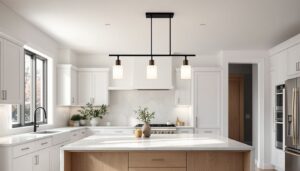
A practical consideration: fixtures that hide their bulbs (via diffusers, shades, or baffles) feel cozier than those that expose the light source. Exposed-bulb industrial styles can work, but they’re typically brighter and less intimate, fine for kitchens, tricky for living rooms aimed at relaxation.
When selecting individual pieces, think about scale. A tiny lamp in a large room looks lost: an oversized fixture in a small space overwhelms. Measure your space and existing furniture before shopping. Your local lighting store can show you how size translates to the room, or browse online galleries to compare proportions. Design inspiration from Apartment Therapy shows real rooms with furniture and lighting balanced at realistic scales, which beats aspirational photos that don’t reflect actual living spaces.
Finally, consider switching layout. Multiple fixtures on separate switches, or on dimmer switches, let you adjust brightness and intensity without rewiring. A room with one master on/off feels less flexible than one where you can independently control ambient, task, and accent lights. This flexibility is cozy in practice: movie mode (dimmed accent lights), reading mode (bright task lamps), and entertaining mode (full, warm ambient) all become easy without fumbling with multiple remotes.