Table of Contents
ToggleKitchen island lighting isn’t just about seeing your food prep clearly, it’s about setting the mood for the heart of your home. The right fixtures can transform a plain island into a focal point that ties your entire kitchen design together while providing practical task lighting where you need it most. Choosing elegant kitchen island lighting involves balancing aesthetics with function: you want pendants or fixtures that complement your kitchen’s style, deliver adequate illumination for cooking and dining, and sit at the right height to avoid glare or obstruction. Whether you’re renovating from scratch or upgrading a dated setup, thoughtful lighting choices make a real difference in how your kitchen looks and feels.
Key Takeaways
- Elegant kitchen island lighting serves three essential functions: task visibility for safe food prep, ambient lighting to balance overall brightness, and a design statement that anchors your kitchen’s style.
- Hang pendant fixtures 30 to 36 inches above the countertop, adjusting for ceiling height, and aim for 1500 to 2000 lumens total brightness across all pendants for optimal task lighting.
- Modern minimalist and industrial designs pair well with sleek kitchens, while transitional and contemporary options suit islands with visual interest—scale each pendant to be roughly one-third your island’s width for balanced proportions.
- Coordinate fixture finishes with existing hardware (faucets, cabinet pulls, appliances), and choose dimmable LED bulbs in your preferred color temperature—warm white (2700K) for ambiance or cool white (4000K) for task clarity.
- Proper installation requires turning off power, using a stud finder to locate obstructions, and measuring carefully before drilling; when in doubt, hire a licensed electrician to ensure code compliance and avoid safety hazards.
- Layered lighting with multiple sources at different heights and intensities is trending in 2026, allowing you to shift from task-focused prep lighting to softer ambient lighting for entertaining.
Why Kitchen Island Lighting Matters
A kitchen island serves multiple purposes: workspace, dining spot, and visual anchor. Without proper lighting, you’ll squint over chopping boards and miss the design potential entirely. Good island lighting solves three problems at once.
First, task lighting keeps you safe. Cooking requires visibility, whether you’re measuring ingredients, slicing vegetables, or checking doneness. Poor lighting invites knife slips and ingredient mistakes. Second, ambient lighting from an island fixture helps balance the overall kitchen brightness, preventing harsh shadows from overhead ceiling lights. Third, and often overlooked, island lighting is a design statement. Pendant lights or a sleek chandelier above your island draws the eye and sets the tone for your kitchen’s character.
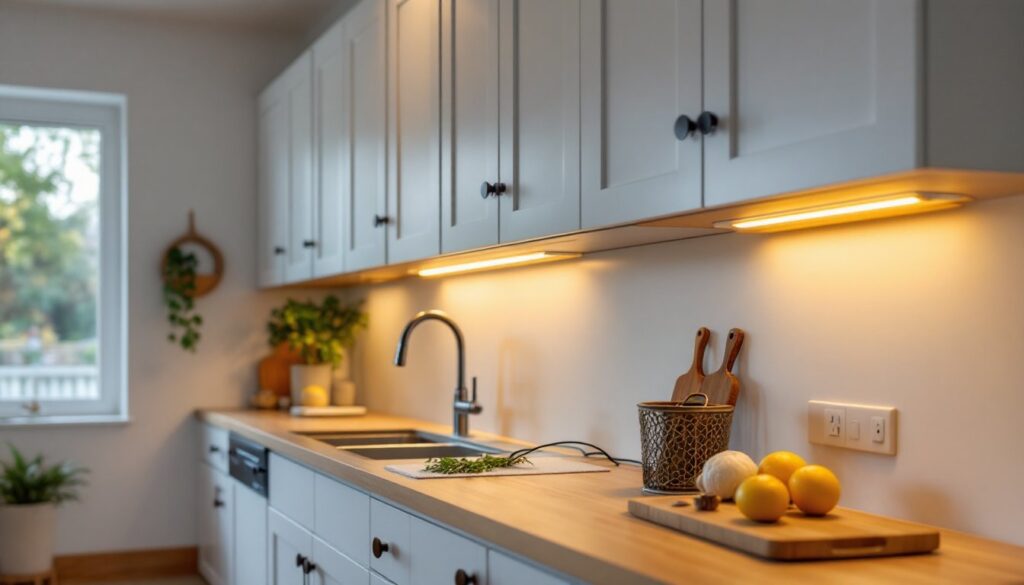
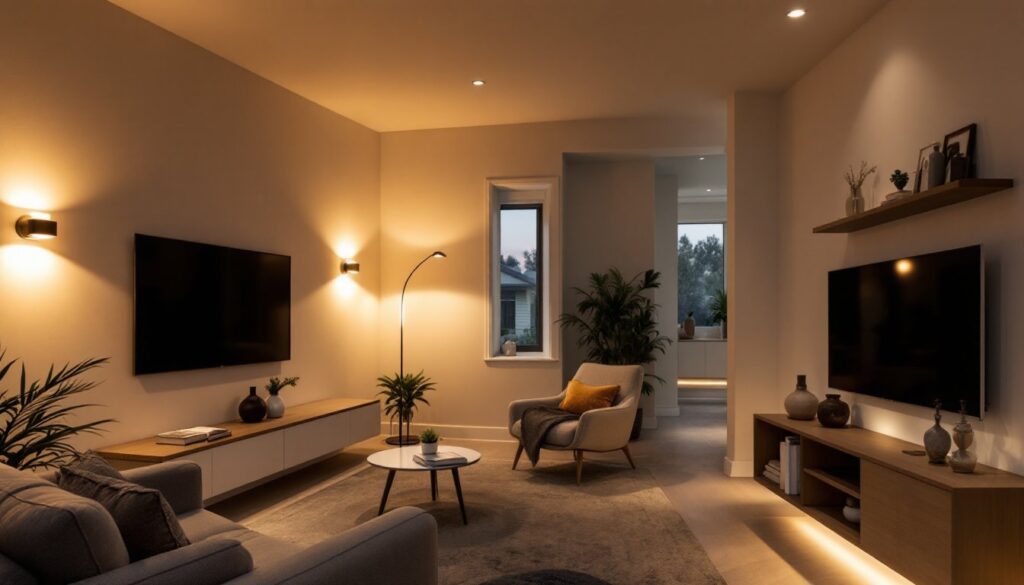
Currently trending in 2026 is layered lighting: multiple light sources at different heights and intensities working together. An elegant island fixture paired with under-cabinet lighting and a dimmer switch gives you flexibility for everything from breakfast prep to dinner parties. The investment in quality island lighting pays dividends every single day.
Before selecting fixtures, measure your island length and ceiling height. A general rule: hang pendants 30 to 36 inches above the countertop for comfortable visibility without obstruction. If your ceiling is vaulted or particularly low, adjust accordingly. Note that building codes don’t typically mandate specific lighting levels for residential kitchens, but the National Kitchen & Bath Association recommends a minimum of 50 foot-candles for task areas like islands.
Popular Styles for Elegant Island Lighting
Kitchen island lighting styles have evolved well beyond basic brass fixtures. Today’s options range from industrial to organic, and your choice should reflect both your kitchen’s existing character and your personal aesthetic.
Modern Minimalist and Industrial Designs
Modern minimalist island lighting strips away ornament and emphasizes clean lines and materials. Think pendant lights with slim metal frames, frosted glass shades, or bare Edison-style bulbs that highlight their geometric simplicity. Industrial designs take this further, celebrating visible hardware, exposed cords, and raw materials like blackened steel or concrete.
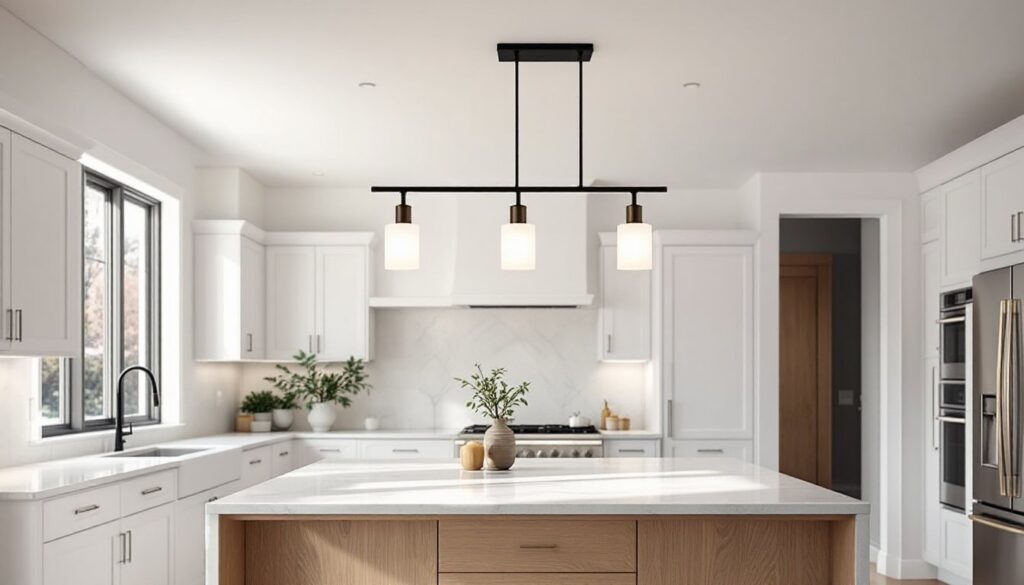
These styles work brilliantly if your kitchen already features sleek cabinetry, stainless-steel appliances, and neutral tones. A trio of pendant lights with matte black finishes and simple geometric shades creates visual rhythm without fussiness. If you want added texture without sacrificing minimalism, choose fixtures with brushed metal finishes or subtle ribbed glass patterns.
One advantage of minimalist and industrial designs: they’re relatively forgiving during installation. Most pendant kits come with straightforward mounting hardware, and the absence of ornate details means fewer crevices to dust later. Just ensure your electrician accounts for proper ventilation if you’re using exposed-bulb designs, certain bulb types generate significant heat.
Transitional and Contemporary Options
Transitional lighting bridges traditional and modern sensibilities. Imagine a pendant with a classic dome shade but in a contemporary finish like brushed gold or satin nickel. Transitional designs appeal to homeowners who want elegance without looking frozen in time.
Contemporary styles push the envelope further, embracing sculptural shapes, mixed materials, and bold colors. A contemporary pendant might combine a geometric cage frame with frosted glass and a warm brass accent. These fixtures work well if your island itself has visual interest, a waterfall edge, statement wood grain, or a distinctive base color.
When shopping for transitional or contemporary pieces, check that the fixture’s scale matches your island. A tiny pendant above a six-foot island looks lost: a massive fixture over a four-foot island overwhelms the space. A practical rule: each pendant should be about one-third the width of your island section. For an island that’s 36 inches wide, choose pendants roughly 12 inches in diameter.
Consider also that transitional and contemporary fixtures sometimes require more involved installation, multiple wires, canopy assemblies, or integrated dimming controls. If you’re not confident with electrical work, factor in electrician costs. Hiring a licensed electrician isn’t just safer: it ensures your installation complies with local electrical codes and keeps your home’s safety up to standard.
Choosing the Right Fixtures for Your Kitchen
Selecting elegant kitchen island lighting comes down to five practical considerations: finish, bulb type, brightness, dimming capability, and installation complexity.
Finish should coordinate with your kitchen’s existing hardware. If your cabinet pulls, faucet, and appliance handles are all brushed nickel, a mismatched brass pendant will look accidental. That said, mixing finishes intentionally, like pairing brushed gold with matte black, can look sophisticated when done deliberately across your whole kitchen.
Bulb type matters more than many realize. LED bulbs now dominate, offering long lifespan and energy efficiency. But, bulb color temperature affects how your kitchen feels. Warm white (2700K) creates a cozy atmosphere ideal for dining and entertaining. Cool white (4000K) provides clarity for task work like food prep. Many homeowners install fixtures that accept dimmable LEDs, letting them shift the mood from task to ambient as needed. Check your fixture’s specifications, not all pendants play nicely with dimmers, and incorrect combinations can cause flickering.
Brightness is measured in lumens, not watts. A modern LED bulb producing 1000 lumens is comparable to an old 75-watt incandescent. For island task lighting, aim for 1500 to 2000 lumens total across your pendants. If you’re installing three pendants, each bulb might produce 500 lumens. Remodelista has published curated pendant light options ideal for kitchen islands that balance elegance with practical brightness, offering inspiration across price points.
Dimming capability adds flexibility. A quality dimmer switch lets you dial down brightness during meals and increase it during prep, all without changing fixtures. If dimming appeals to you, confirm that both your dimmer switch and LED bulbs are rated as compatible, cheap LEDs sometimes flicker on dimmers.
Installation complexity ranges from simple (plug-and-play under-mount lighting) to involved (running new wiring, adjusting structural elements). If your island electrical junction is directly overhead, hanging a new pendant is straightforward: cut power, remove old fixture, install new mounting bracket, run wires, and secure the new pendant. If you need to run new circuits or relocate the junction box, you’ll need a licensed electrician. Don’t guess on this one, mistakes can create fire hazards or leave you with non-code-compliant work.
Homeowners often find that lighting store selections provide to explore different aesthetic directions before committing.
Installation and Height Placement Tips
Hanging island lighting correctly is half execution and half geometry. Get the height wrong, and even beautiful fixtures become frustrating obstacles.
Start with measurements. Measure from your island countertop up to the ceiling. Most pendant fixtures hang 30 to 36 inches above the counter surface, this height keeps light off your head and face while maintaining visibility on the work surface. If your kitchen has a low ceiling (under 8 feet), you may need to hang lower, around 24 to 28 inches, to avoid bumping. Conversely, high ceilings (9 feet or more) can accommodate 36 to 40 inches, creating elegant vertical drama.
Before you drill, locate any obstacles: ductwork, plumbing lines, or electrical wires already running above the island. Use a stud finder to detect hidden obstructions, then carefully drill a small pilot hole from below to confirm clearance. This step saves expensive repairs.
For installation, you’ll typically work with these components: the ceiling canopy (the plate that mounts to your ceiling), mounting bracket, wires (usually 12-gauge copper), a junction box (the electrical box where wires connect), and the pendant shade and socket.
Safety gear: Wear safety glasses to protect against ceiling dust and debris. If you’re cutting into drywall, wear a dust mask. Have a helper hold the fixture while you secure it, pendant lights aren’t heavy, but wrestling with one overhead is awkward solo.
Wiring steps:
- Turn off power to the circuit at the breaker panel.
- Remove your old fixture (if replacing) by untwisting wire connectors and unscrewing the mounting bracket.
- Install the new mounting bracket, ensuring it’s level and secure.
- Feed the pendant’s wires through the ceiling canopy, then through the junction box opening.
- Twist together matching wire colors (typically black to black, white to white) using wire connectors, securing them firmly.
- If you have a ground wire (bare copper or green), connect it to the green screw in the junction box.
- Screw the canopy to the mounting bracket, making sure wires don’t pinch.
- Install the bulb and shade per manufacturer instructions.
- Restore power and test.
If you’re uncertain about any wiring step, hire a licensed electrician. Some municipalities require electrical permits for new circuits or junction modifications, check your local building department before starting.
For a cohesive look, space multiple pendants evenly across your island length. Two pendants work for islands under 5 feet: three or more for longer islands. The spacing between pendant centers should be roughly equal, even if the island itself is asymmetrical. This creates visual balance, which is key to elegant design. Sites like Houzz showcase 20 stunning, offering real-world examples of height and spacing in context.
Conclusion
Elegant kitchen island lighting elevates both function and aesthetics. The right fixtures illuminate your workspace, define your kitchen’s character, and create an inviting focal point. By balancing style preference with practical brightness, considering your kitchen’s existing finishes, and installing thoughtfully at proper heights, you’ll achieve lighting that serves you beautifully for years. Don’t skip the measurement and planning phase, it’s the difference between a professional result and a costly do-over. Whether you choose industrial minimalism, transitional warmth, or contemporary boldness, let your kitchen island shine.