Table of Contents
ToggleA kitchen chandelier can transform a mundane cooking space into a focal point that blends style, warmth, and function. For decades, kitchens relied on recessed lights or under-cabinet strips, but today’s homeowners are embracing chandeliers as a statement piece that actually works overhead. The shift toward kitchen chandelier lighting reflects a broader move away from purely utilitarian fixtures toward designs that look as good as they perform. Whether you’re updating a 1970s kitchen or building new, a chandelier brings personality and proper illumination to one of the home’s hardest-working rooms. This guide walks you through why chandeliers matter in modern kitchens, which styles fit your space, how to size and install one, and how to keep it looking sharp.
Key Takeaways
- Modern kitchen chandelier lighting combines style and functionality through layered lighting strategies that pair chandeliers with pendant and under-cabinet fixtures for both ambient and task illumination.
- A kitchen chandelier should be sized using the formula: add your kitchen’s length and width in feet, then convert to inches—for example, a 12′ × 10′ kitchen calls for a 22-inch fixture.
- Contemporary and traditional kitchen chandelier styles both work in modern kitchens, from geometric sputnik designs to ornate brass fixtures, depending on your décor and design preference.
- Proper height placement—30 to 36 inches above countertops for islands and minimum 7 feet above the floor for dining areas—ensures safety and keeps the chandelier as a functional focal point.
- Installation requires turning off power, verifying the ceiling box can support the fixture’s weight, and connecting wires correctly (black to black, white to white, ground to ground) or hiring a licensed electrician for safety.
- Quarterly cleaning with lint-free cloths and appropriate finishes, plus LED bulb selection that matches fixture specs, keeps your kitchen chandelier looking sharp and functioning for 10 to 30 years.
Why Kitchen Chandeliers Have Become a Design Essential
For years, the kitchen was off-limits for chandeliers. They seemed too formal, too fragile, too impractical for a room full of grease, steam, and daily chaos. That thinking has shifted hard. Modern kitchen chandeliers are engineered for real use, they’re easier to clean, built with durable materials, and designed to provide the task lighting kitchens genuinely need.
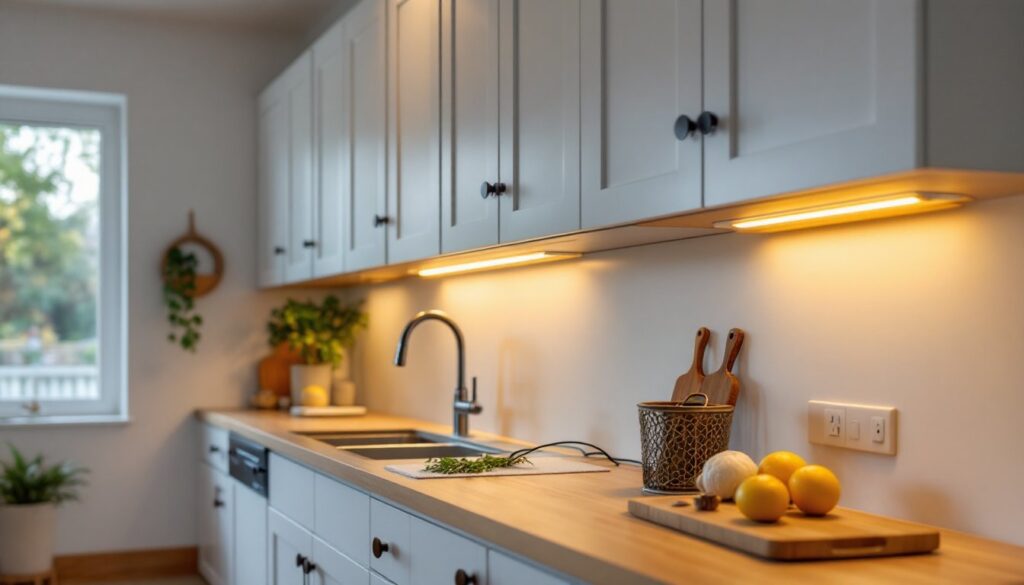
One reason chandeliers work in kitchens now is layered lighting. A single chandelier rarely does the whole job: instead, it anchors the ambient light while pendant lights over the island and under-cabinet strips handle task lighting. This approach gives you flexibility and depth instead of a flat, harsh overhead light.
From a design perspective, a chandelier adds height and visual interest to a typically square room. It draws the eye up and sets the tone, whether you want industrial grit, farmhouse warmth, or contemporary elegance. It’s also the one fixture people notice when they walk in, making it an investment worth getting right. Resources like 75 Kitchen Chandelier Ideas You’ll Love showcase how varied and inspiring these fixtures can be across real homes.
Types of Kitchen Chandeliers to Fit Any Décor Style
Modern and Contemporary Options
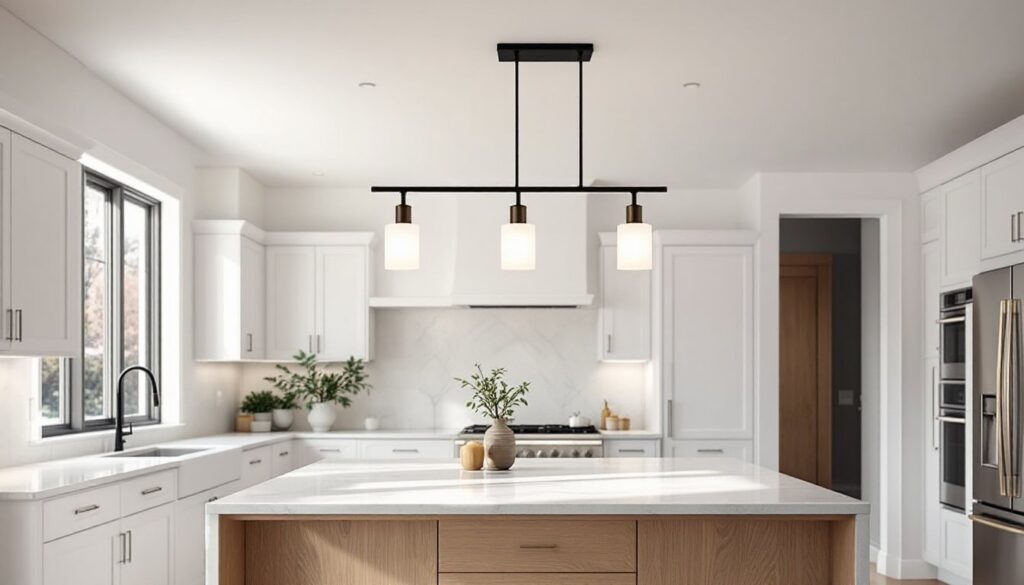
Contemporary kitchen chandeliers tend to favor clean lines, geometric shapes, and mixed materials, think brushed nickel frames with frosted glass, or matte black metal with Edison bulbs. These fixtures work especially well in open-concept kitchens paired with stainless steel appliances and light countertops.
Popular contemporary styles include sputnik designs (radiating metal arms with small bulbs at the ends) and linear chandeliers that stretch across longer islands. They’re forgiving because they read as intentional rather than decorative, so you can get away with a bolder size or finish. Many come with dimmable LED-compatible sockets, which means your energy bill and mood both benefit from lower settings during breakfast.
Traditional and Vintage-Inspired Designs
Traditional chandeliers bring crystal, brass, and ornate detailing to a kitchen, not the heavy ballroom look, but refined, multi-armed designs that whisper elegance without shouting. Farmhouse and cottage styles blend traditional silhouettes with weathered finishes: bronze, aged brass, or a rustic black that feels at home in a country kitchen.
Vintage-inspired pieces often pair wrought iron or aged copper with warm Edison-style incandescent or vintage LED bulbs (which mimic the warm glow without heat waste). These fixtures shine in kitchens with open shelving, shiplap, or wood beams. Sites like The Kitchn regularly feature kitchen design ideas that showcase how these classic fixtures feel fresh in modern homes.
Sizing and Placement: Getting It Right
Chandelier sizing isn’t magic, it’s math, and getting it wrong is the fastest way to feel buyer’s remorse. The golden rule: add the length and width of your kitchen (in feet) and convert that number to inches. A kitchen that’s 12 feet long and 10 feet wide? That’s a 22-inch chandelier.
For islands, the math is simpler. A 36-inch wide island typically calls for a fixture around 24 to 30 inches in diameter. Don’t go smaller than 12 inches or the fixture disappears: don’t go larger than two-thirds the island width or you’ve created a hazard when people pull out stools.
Height matters as much as width. Hang the chandelier 30 to 36 inches above countertop level if it’s over an island, or 7 feet above the kitchen floor at minimum if it’s over a dining area. Too low and people bump their heads or feel cramped: too high and it stops being a focal point and becomes invisible background noise. Account for the chain or rod length when ordering, most chandeliers come with 36 to 48 inches of adjustable chain, which is usually enough, but verify before you buy.
Placement is equally important. Center the fixture over the island or dining table, not off to one side. If your kitchen opens into a dining room, position it to anchor that transition rather than float awkwardly between zones. This is where a tape measure and a piece of tape on the ceiling (to mark the spot) save you from installing, removing, and reinstalling.
Installation Tips for DIY Success
Installing a chandelier yourself is doable if you’re comfortable working on a ladder and handling electrical wiring. It’s not a five-minute job, though. Budget two to three hours including prep, and recruit a helper, holding a fixture steady while wiring it is infinitely easier with two sets of hands.
Before you start: Turn off power at the breaker. Use a non-contact voltage tester to confirm the power is truly off. Check the existing fixture’s wiring to see if it’s sufficient (most kitchen chandeliers need 14-gauge or 12-gauge copper wire and a properly rated ceiling box). If you’re replacing an old fixture, the existing box and wiring often work, but if it’s a heavy chandelier or you’re wiring from scratch, the box must be rated for the chandelier’s weight, typically labeled for 50+ pounds for a medium-sized fixture.
Materials you’ll need:
- Wire strippers and a screwdriver
- Wire connectors (come with most fixtures)
- Electrical tape
- A ceiling canopy and mounting bracket (usually included)
- Chain or rod (cut to length before installing)
The basic process: Attach the mounting bracket to the ceiling box, thread wires through the canopy, connect the chandelier’s wires to the house wires (black to black, white to white, ground to ground), tuck everything into the canopy, and screw it tight. Your Lighting Store: Transform carries fixtures with clear instructions: always follow the manufacturer’s guide, every chandelier is slightly different.
Safety: Wear work gloves and safety glasses. If you’re uncertain about the electrical work, hire a licensed electrician. Building codes vary by jurisdiction, but most kitchens require that a light fixture be controlled by a wall switch on the same circuit, and heavy fixtures (over 50 pounds) must be anchored to a ceiling joist or approved heavy-duty box. Don’t jury-rig a fixture into drywall alone: it will come down, potentially on someone’s head.
Maintaining Your Kitchen Chandelier
A chandelier in the kitchen faces dust, cooking splatters, and steam, more abuse than its dining-room cousins. Keep it looking new with a simple routine.
Quarterly cleaning: Turn off the power. If the fixture has crystal or glass arms, wipe them with a lint-free cloth slightly dampened with warm water and a drop of dish soap. Dry immediately to prevent water spots. For metal arms, use a soft cloth and, if tarnishing appears, a brass or copper cleaner (depending on your finish). Don’t use harsh chemicals: they’ll strip finishes faster than you’d think.
Bulb maintenance: LED bulbs last 15,000 to 50,000 hours (roughly 10 to 30 years), so you won’t change them often. When you do, make sure replacements match the wattage and bulb type the fixture specifies. Using oversized bulbs can overheat the fixture’s internal wiring: using undersized ones means dim, disappointing light.
If issues pop up: A flickering bulb usually means a loose connection or a failing LED. Try tightening the bulb first. If a socket doesn’t light at all, the switch may be the culprit, flip it off and on a few times, or call an electrician if the problem persists. Chandeliers with dimmer switches need dimmable bulbs: standard LEDs will flicker maddeningly on a dimmer. Rustic Lighting: Transform includes advice on specialty bulbs and fixture maintenance across styles.
Prevention: Wipe down the fixture every few months to prevent dust buildup, which dulls the light output and makes cleaning harder later. Keep the kitchen well-ventilated when cooking to reduce steam damage to finishes. If you notice rattling or loose arms, tighten everything with the power off, loose connections are a fire hazard.