Table of Contents
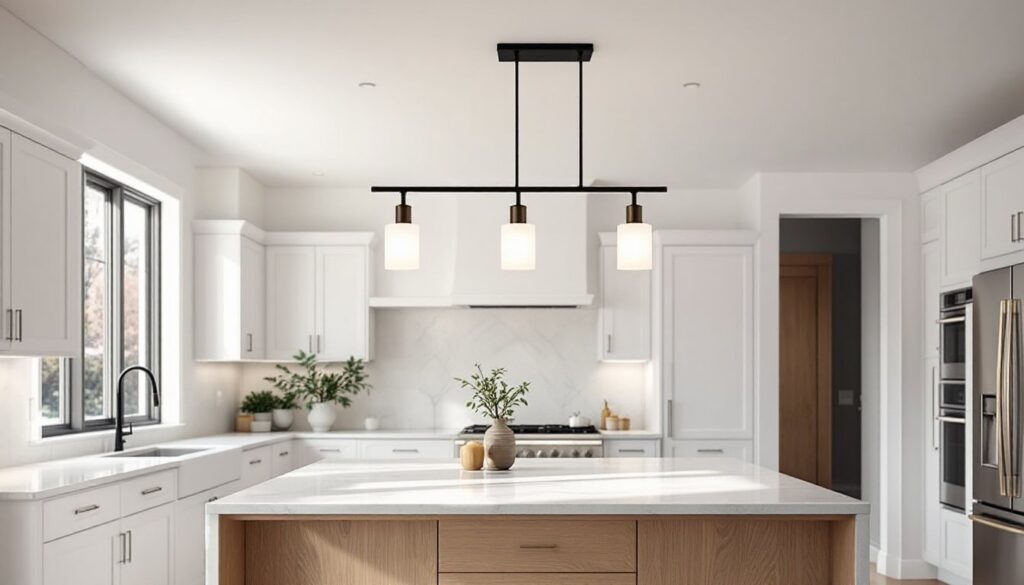
ToggleKitchen pendant lighting fixtures have become essential for both function and design in modern kitchens. Unlike overhead fixtures that flood a space with harsh light, pendant lights hang at eye level, creating focused illumination over islands, counters, and dining areas while adding visual interest to the room. Whether you’re renovating a kitchen or simply upgrading an outdated fixture, pendant lights offer flexibility, style, and the ability to define different zones without expensive rewiring. This guide walks you through selecting, placing, and installing kitchen pendant lighting fixtures that match your space and skill level.
Key Takeaways
- Kitchen pendant lighting fixtures provide focused task lighting and serve as design anchors, eliminating harsh overhead glare while creating visual interest in the space.
- Proper height placement of 12–18 inches below the countertop prevents glare and optimizes illumination; space multiple pendants 24–30 inches apart to avoid light dead zones.
- Pendant light installation is DIY-friendly for most kitchens since existing electrical boxes can accommodate them, though identifying power sources and confirming circuit compatibility is essential before starting.
- Contemporary, industrial, and rustic pendant styles offer flexibility to match any kitchen aesthetic, from minimalist LED integrated fixtures to warehouse-inspired Edison-bulb designs.
- Safety-critical steps include turning off power at the breaker, testing with a voltage detector, and matching wire gauges when connecting fixtures—mistakes can be dangerous and costly.
Why Pendant Lighting Works Best for Kitchens
Pendant lights excel in kitchens for practical and aesthetic reasons. They deliver task lighting directly where you need it, over an island, sink, or prep surface, without relying solely on recessed overhead fixtures. This layered lighting approach reduces eye strain and shadows when you’re chopping vegetables or reading a recipe.
From a design perspective, pendant lights act as jewelry for your kitchen. They’re visible and make a statement, whereas most overhead lighting disappears into the ceiling. A well-chosen pendant fixture can anchor a kitchen’s entire look, whether your style leans contemporary, industrial, or farmhouse.
Installation is another win. Most kitchens already have electrical rough-in or junction boxes that can accommodate a pendant. You’re not tearing into walls or running new circuits in many cases, often you’re just swapping out an existing fixture or tapping into a nearby outlet. That makes them DIY-friendly compared to major lighting overhauls.
The flexibility matters too. Pendant fixtures come in countless heights, widths, and materials, so they scale to small galley kitchens and sprawling open-concept spaces alike. Whether you need a single statement piece or a trio of smaller pendants strung across an island, options abound.
Popular Styles and Designs for Modern Kitchens
Contemporary and Minimalist Options
If your kitchen aesthetic skews clean and uncluttered, contemporary and minimalist pendant fixtures deliver. Look for sleek silhouettes with minimal ornamentation, think cylindrical shades, smooth metal bases, and neutral finishes like matte black, brushed nickel, or natural brass. These work especially well in kitchens with flat-panel cabinetry and quartz or concrete countertops.
Minimalist pendants often use LED bulbs integrated directly into the fixture, eliminating the need for a separate bulb and shade. This approach not only looks cleaner but also saves energy and runs cooler than incandescent or halogen alternatives. Clearance heights for these fixtures typically range from 12 to 18 inches below the countertop when mounted above an island.
When browsing contemporary options, resources like curated pendant light selections for kitchens showcase fixtures that balance style with function. Minimalist pendants pair beautifully with concrete floors, white subway tile, or open shelving.
Industrial and Rustic Fixtures
Industrial pendant lights feature exposed bulbs, cage shades, or metal elements reminiscent of factory or warehouse settings. Wrought iron, steel, and weathered brass are signature materials. Edison-style filament bulbs are the classic pairing, they look vintage but perform like modern LEDs when you opt for vintage-style LED versions.
Rustic fixtures lean toward warmth and handcrafted appeal. Reclaimed wood elements, seeded glass shades, and oil-rubbed bronze finishes are common. Rustic lighting works exceptionally well in kitchens with exposed beam ceilings, butcher-block islands, or barn-door cabinet hardware. If you’re drawn to this aesthetic, rustic lighting options showcase how warmth and texture elevate a kitchen’s character without sacrificing modern task lighting.
Both styles tend to be forgiving in DIY installation because they embrace a bit of imperfection. An industrial pendant with visible wiring and a exposed socket feels intentionally raw, not sloppy. Similarly, rustic fixtures’ weathered patina hides dust and minor installation quirks.
Choosing the Right Height and Placement
Height is crucial, get it wrong and your lighting either blinds dinner guests or leaves counter space dark. For pendants hung over an island or peninsula, the rule of thumb is 12 to 18 inches below the counter surface. This positions the light source at a height that prevents glare into diners’ eyes while casting light downward onto food prep surfaces.
If your island has a finished bottom (no stools, just a solid edge), lean toward the 12-inch mark. If stools tuck underneath, go closer to 18 inches to accommodate headroom. Always measure from your countertop, not the floor, countertops vary in height by region and kitchen design.
Spacing between multiple pendants matters equally. Over an island, hang fixtures 24 to 30 inches apart center-to-center. If your island is 3 feet wide, a single pendant works: 4 to 5 feet calls for two: 6+ feet warrants three. Avoid bunching them too close, it looks cramped and creates dead zones of light.
When hanging pendants over a sink, use the same 12- to 18-inch clearance below the countertop. If the sink sits against a wall-mounted backsplash or window, ensure the pendant doesn’t obstruct your view or hit your head when leaning forward.
Layout also depends on electrical access. Most pendant kits require a ceiling junction box with existing power. Identify where these boxes are located before deciding placement. If no box exists where you want a pendant, you’ll need to hire an electrician to run new wire and install a box, that tips the project from DIY to professional.
Installation Tips for DIY Success
Before you touch a tool, confirm the power is off. Kill power at the breaker and test with a non-contact voltage detector to verify the circuit is dead. This isn’t optional, electrical mistakes are dangerous and expensive.
Gather your materials: the pendant fixture kit (includes canopy, wire, and hardware), wire strippers, a voltage tester, a mounting bracket, and an outlet box support if your fixture is heavier than 50 pounds. Most standard pendants fall well under this weight.
Here’s the typical sequence:
- Turn off power at the breaker: test to confirm.
- Remove the old fixture (if replacing) by untwisting wire nuts and loosening the mounting bracket.
- Install the mounting bracket to the ceiling box using the provided screws. Most use 1/4-inch fasteners.
- Feed the pendant’s power wire through the hole in the mounting bracket.
- Twist the black (hot) wires together, then the white (neutral) wires, and wrap each pair with a wire nut. Match wire gauges, typically 14 or 12 AWG for pendant fixtures.
- Tuck the wire nuts into the electrical box (they should fit snugly: don’t force them).
- Screw the canopy (the decorative ring) up to the bracket, which hides the junction box and wiring.
- Install the bulb and shade according to the manufacturer’s instructions.
- Restore power and test.
Pro tips: Pre-assemble the fixture on a worktable before climbing a ladder, it saves time and reduces frustration. If the existing junction box is shallow (less than 1.5 inches deep), install a box extender to provide enough clearance for wire nuts. Read the instructions thoroughly: many pendant kits have specific canopy designs that only fit certain bracket configurations.
For heavier fixtures (over 50 pounds), consult the manufacturer’s specs. Some require a reinforced outlet box rated for ceiling fans or fixtures heavier than standard. An electrician can upgrade your box if needed, it’s a quick, inexpensive job.
Common mistakes: over-tightening wire nuts (which damages wire insulation), using undersized wire for the circuit, and forgetting to turn off power. Also, don’t assume a ceiling box is rated for your fixture’s weight. Check the box’s stamp or ask a hardware store associate if you’re unsure.
If pendant installation intimidates you, working with a professional electrician removes liability and ensures code compliance. Most will install a single pendant in under an hour for a modest fee. For kitchens with multiple pendants or architectural considerations, professional installation pays for itself in time and peace of mind.
Conclusion
Kitchen pendant lighting fixtures transform both how a kitchen functions and how it looks. By choosing a style that matches your aesthetic, calculating the correct height and spacing, and following proper installation safety steps, you’ll create focused, flattering light that elevates the entire room. Whether you install them yourself or call in a professional, the investment in quality pendant lighting pays dividends in usability and visual appeal for years to come.