Table of Contents
ToggleStar pendant lighting fixtures have become a go-to choice for homeowners looking to add personality and visual interest to their spaces. Unlike traditional round or cylindrical pendants, star-shaped fixtures cast dynamic shadows and create a focal point that draws the eye upward. Whether you’re replacing builder-grade overhead lighting or designing a new room from scratch, understanding how to select and install star pendants can elevate your home’s aesthetic without requiring a licensed electrician in most cases. This guide walks you through what makes these fixtures special, where they work best, and how to get them right the first time.
Key Takeaways
- Star pendant lighting fixtures create dynamic shadow patterns and visual interest while offering versatility across multiple design styles, from minimalist to bohemian, making them a trending alternative to builder-grade fixtures.
- The ideal star pendant size should be roughly one-third the width of the surface below it, and most residential ceilings safely support 15–20 pounds without reinforcement, though heavier industrial fixtures require structural assessment.
- Choose warm white (2700K–3000K) color temperature for bedrooms and dining areas, neutral white (4000K) for kitchens, and always opt for dimmable LED bulbs to control brightness and ambiance effectively.
- Star pendants work best in kitchen islands (hung 30–36 inches above countertops), entryways, bedrooms, and reading nooks, while avoiding placement directly over work surfaces to prevent eye strain from shadow play.
- Swag or plug-in star pendant fixtures are renter-friendly DIY options requiring only a ceiling hook, though hardwired installations demand a licensed electrician for safety and permit compliance.
- Material finish—brass, copper, matte black, or brushed nickel—should complement your home’s color palette, with neutral brushed nickel serving as the most versatile choice if you’re uncertain about your design direction.
What Are Star Pendant Lights and Why They’re Trending
Star pendant lights are fixtures with a star-shaped shade or body that hangs from the ceiling via a cord, chain, or rod. The star geometry isn’t just decorative, it functions to break up harsh light and create geometric shadow patterns on surrounding surfaces. This visual trick makes even a small room feel more dynamic and thoughtfully designed.
What’s driving the trend in 2026? Homeowners are moving away from cookie-cutter builder fixtures and toward pieces that reflect individual style. Star pendants fit that sweet spot: they’re bold enough to make a statement but abstract enough to work with multiple design styles. They’re also more affordable than statement chandeliers yet feel more intentional than a basic swag light.
Another reason for their popularity is versatility in material. You’ll find star pendants in metal (brass, matte black, copper), wood, fabric, and even resin. This range means you can find a star pendant that fits your budget and design language, whether that’s farmhouse, mid-century modern, or contemporary.
Design Styles and Aesthetic Variations
Minimalist and Contemporary Designs
Minimalist star pendants strip away ornamentation in favor of clean lines and geometric purity. A flat metal star in matte black or brushed nickel creates visual interest without demanding attention. These fixtures work particularly well in kitchens, bedrooms, and modern bathrooms where simplicity pairs with function.
The best minimalist star pendants use thin-gauge metal (typically 18–16 gauge) that shows the star’s geometry without bulk. Suspension hardware is usually hidden or integrated into the star itself. Look for fixtures with integrated LED bulbs (warm white, 2700K–3000K color temperature) to avoid dangling visible bulbs that break the clean silhouette.
Industrial and Bohemian Star Pendants
Industrial star pendants embrace heavier materials: wrought iron, aged brass, or weathered steel with visible welds or patina. These fixtures often pair with exposed cords or visible hardware, celebrating the mechanics rather than hiding them. Bohemian versions may incorporate woven rope, macramé accents, or natural wood at the star’s points, softening the geometric shape with organic texture.
Bohemian star pendants typically feature warm metal finishes (antique brass, copper) and dimmable bulbs to create ambiance. Industrial versions lean toward Edison-style incandescent or LED filament bulbs that echo factory-era lighting. Both styles work in dining rooms, entryways, and eclectic living spaces where personality trumps minimalism. When selecting these heavier fixtures, confirm your ceiling box and wiring can support the weight, most residential boxes handle up to 50 pounds safely, but verify before purchase.
Best Rooms and Spaces for Star Pendant Installation
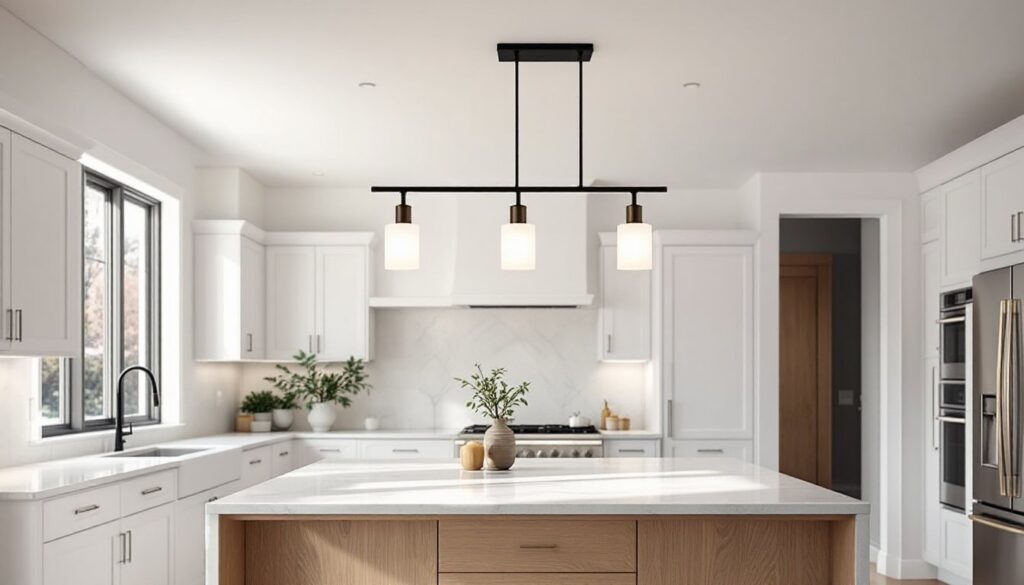
Star pendants shine brightest (literally and figuratively) in spaces where they can be seen and appreciated. Kitchen islands are the classic choice, a pair of star pendants flanking the island’s length creates balance and functional task lighting. Most island fixtures hang 30–36 inches above the countertop: adjust for ceiling height and sight lines.
Entryways and foyers benefit from a single statement star pendant. It greets visitors and sets the tone for your home’s design direction. A two-story foyer can accommodate larger star fixtures (20–24 inches wide) without overwhelming the space because of the vertical volume.
Bedrooms can use smaller, softer star pendants (10–14 inches) for ambient or reading light. Pair them with a dimmer switch so you can adjust output for different times of day. Bathrooms work too, especially vanity-flanking pairs, though you’ll want to choose wet-rated fixtures (IP65 or higher rating) if moisture is a concern.
Avoid placing star pendants directly over work surfaces where sharp shadows might cause eye strain. In reading nooks or accent seating areas, shadow play is actually desirable and adds character. One pro tip: if you have a vaulted or cathedral ceiling, a star pendant can visually lower the perceived ceiling height and make the room feel cozier. According to interior designers on HGTV, statement lighting is one of the fastest ways to refresh a dated room without renovation.
How to Choose the Right Star Pendant for Your Home
Start by measuring your space. Width and height matter more than you’d think. In a galley kitchen, a 16-inch star might overwhelm: in a great room, a 12-inch fixture could feel too small. A good rule: your pendant should be roughly one-third the width of the surface it’s above (island, table, desk).
Next, consider fixture weight and ceiling capacity. Most residential ceilings with standard drywall and electrical boxes safely support 15–20 pounds. Heavier industrial stars (25–50 pounds) need reinforcement. Check your ceiling’s construction before committing to a fixture: if it’s an old plaster ceiling or an attic room with minimal framing, get a contractor to assess before hanging anything substantial.
Material and finish should echo your home’s palette. Brass and copper warm up cool gray walls: matte black provides contrast in light, airy spaces. If you’re unsure, choose a neutral brushed nickel or chrome, it transitions between warm and cool tones gracefully. You can explore a wide selection of options at star pendant lighting fixtures to see real-world examples and read reviews.
Bulb type and brightness come next. LED pendants are now standard, they’re energy-efficient and run cool. Choose warm white (2700K–3000K) for bedrooms and dining: neutral white (4000K) for kitchens and workspaces. Check the lumens: most pendant fixtures range from 300–800 lumens. Too bright causes glare: too dim feels depressing. If in doubt, go dimmable.
Finally, think about installation. Some pendants come hardwired (require an electrician and likely a permit in many jurisdictions): others are plug-in swag fixtures that you can hang from a hook and plug into a nearby outlet. Swag pendants are renter-friendly and don’t require electrical work, though they’re limited by cord length and outlet proximity. Hardwired fixtures need a licensed electrician in most areas, don’t skip this step to save money.
Installation Tips and Practical Considerations
Before you start: Turn off power at the breaker if you’re replacing an existing fixture. Use a non-contact voltage tester to confirm the circuit is dead. Wear eye protection and work gloves, drywall debris and old hardware can splinter.
For hardwired pendants, the general steps are: (1) Remove the old fixture and cap the old wires with wire nuts. (2) Install the mounting bracket or electrical box according to the manufacturer’s diagram, this is crucial for safety and aesthetic alignment. (3) Connect the new fixture’s wires (typically black to black, white to white, ground to ground). (4) Secure the fixture canopy and hang the pendant. This is not a DIY task unless you have electrical training: hire a licensed electrician. Most installations run $150–300 in labor depending on complexity and local rates.
For swag or plug-in pendants, you’ll need a ceiling hook rated for the fixture’s weight, a suitable outlet within cord reach, and ideally a cord cover or racetrack to hide wiring. Install the hook using appropriate fasteners for your ceiling type, toggle bolts for drywall, lag bolts for wood joists. Avoid hanging over dining tables or seating where someone might bump their head.
Spacing multiple pendants: If hanging pairs over an island, space them roughly 24–30 inches apart and centered over the workspace. Use a tape measure and pencil to mark hook locations before installation, measuring twice prevents ceiling damage from drilling mistakes.
Finishing touches: Once the fixture is hung, install the bulb(s) according to specifications. Many star pendants accommodate standard E26 sockets: confirm your bulb’s base type before purchasing. If you’re installing dimmers, ensure your bulbs are dimmable-compatible (not all LEDs are). Finally, step back and adjust height by shortening or lengthening the cord or chain, most pendants allow this via adjustable hardware provided in the kit.
Luxury design publication Elle Decor frequently features statement pendant lighting in their room makeovers, proving that thoughtful fixture selection is worth the effort. Take your time, follow the manual, and don’t hesitate to call a pro if wiring makes you uncomfortable. A properly installed star pendant will serve you for years without flickering, swinging, or creating hazards.