Table of Contents
ToggleA poorly lit closet isn’t just frustrating, it’s a time-waster. Squinting at dark shelves while trying to match colors, struggling to find that one shirt, or knocking over bottles because you can’t see the back wall: these are the hallmarks of inadequate closet lighting. The good news? Fixing it doesn’t require hiring an electrician or gutting your space. Modern closet lighting solutions range from simple plug-and-play LED strips to hardwired recessed fixtures, and many are DIY-friendly. In 2026, energy-efficient, customizable lighting options make it easy to transform a shadowy closet into a well-lit, functional space that works as hard as you do.
Key Takeaways
- Best closet lighting combines ambient and task lighting—use recessed ceiling fixtures or flush mounts as primary light sources, paired with LED strips under shelves for targeted illumination.
- Neutral white color temperature (3500K–4100K) provides the ideal balance for accurate color-matching clothes without the cold, clinical feel of cooler light.
- Aim for 150–250 lumens per square foot of closet floor space; a single 13-watt LED bulb produces about 1,000 lumens, making two or three fixtures sufficient for most closets.
- LED strip lights are the quickest DIY upgrade, requiring just peel-and-stick installation with no wiring, while recessed ceiling lights offer the gold standard for permanent, professional illumination.
- Proper closet lighting reduces wasted time, prevents color mismatches and accidental spills, and encourages better organization habits by making inventory assessment easier.
- Always turn off power and use a voltage tester before any electrical work, and hire a licensed electrician if you’re unsure about wiring—a professional installation ($150–$300) beats the risk of fire hazards.
Why Proper Closet Lighting Matters
A closet without adequate lighting affects more than just aesthetics, it impacts functionality and safety. Poor visibility leads to wasted time hunting for items, color mismatches (that navy blazer looked black in your closet, right?), and even accidental spills or falls when reaching for items on high shelves. From a practical standpoint, proper illumination helps you see the true color and condition of your clothes and accessories without the distortion of dim, yellowish bulbs.
Beyond the daily convenience, good closet lighting prevents damage. Darkness means you’re more likely to overstuff shelves or miss items pushed to the back, leading to wrinkled clothes, lost pieces, and organizational chaos. A well-lit closet encourages better habits: you can assess inventory more honestly, spot stains before they set, and maintain a system that actually works. The difference between a closet that feels like a chore and one that feels purposeful often comes down to visibility.
Types of Closet Lighting to Consider
LED Strip Lights and Under-Shelf Lighting
LED strip lights are the workhorse of closet upgrades. These adhesive-backed, flexible light sources install in minutes and require no wiring, just peel, stick, and plug into a power outlet or USB adapter. They’re ideal for adding brightness inside shelving units, along the top interior perimeter of the closet, or under hanging rods. Most modern LED strips offer warm white (2700K–3000K), neutral white (3500K–4100K), and cool white (5000K+) options. For closets, warm to neutral tones work best, cool white can make clothes look washed out or cast a clinical feel that doesn’t match your space.
One advantage of LED strips is their low heat output and minimal electrical draw, making them safe and budget-friendly to run 24/7 if you add motion sensors. Look for strips rated at least 600–800 lumens (a measure of total light output) for a standard 6-by-8-foot closet. They’re also flexible: you can cut them to fit around corners or obstacles. The downside? They work best as supplemental or accent lighting: if your closet is very large or has zero ambient light, strips alone may not provide enough overall illumination.
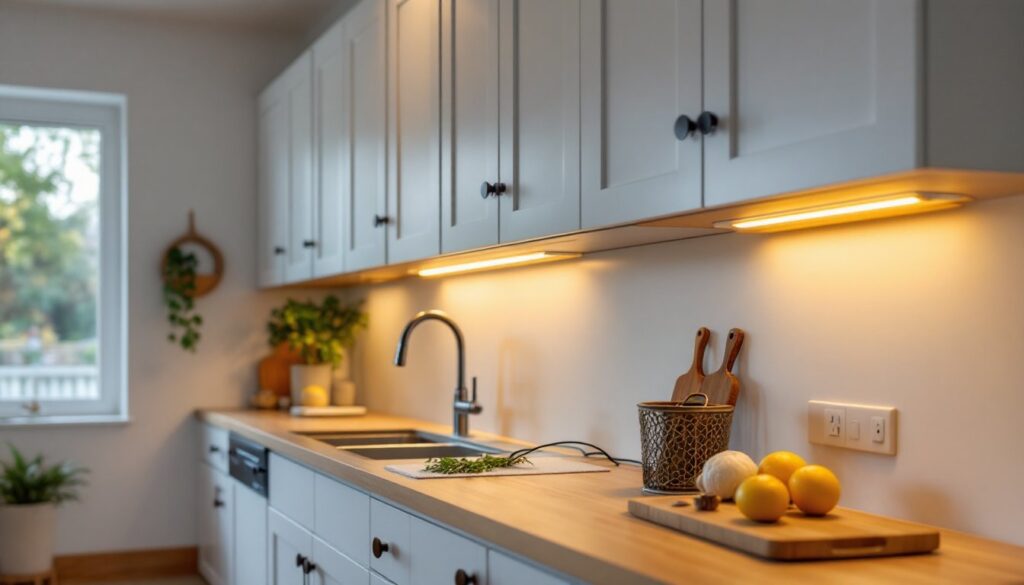
Under-shelf lighting is a specialized subset of LED strips designed to mount beneath shelves, casting light down onto the shelf below. This layered approach is excellent for walk-in closets with multiple levels of storage. Install one strip under each shelf, and you’ve created a gradient of light that eliminates shadows and makes every hanging rod and folded stack visible.
Recessed Ceiling Lights and Flush Mounts
Recessed ceiling lights (often called can lights or pot lights) are the gold standard for primary closet illumination. These fixtures sit flush with the ceiling, creating a clean look while distributing light evenly across the space. A typical closet might use one or two 4-inch recessed lights, depending on size and ceiling height. Recessed lights require running electrical wire through the ceiling cavity and creating openings, this is a step beyond simple plug-and-play but is very manageable for a confident DIYer if your closet is directly under an attic or crawl space (not under another room’s floor). If you’re unsure about accessing the wiring cavity, this job warrants calling a licensed electrician, as mistakes can create fire hazards or code violations.
Recessed fixtures come in different trim styles (baffle trim reduces glare, trim rings affect aesthetic) and with LED or halogen bulbs. For closets, choose LED recessed lights rated 65–75 watts equivalent (roughly 800–1000 lumens per fixture) in warm white or neutral tones. Install them toward the back and sides of the closet to avoid glare and shadows directly above your head.
Flush-mount ceiling lights are a simpler alternative to recessed fixtures. These fixtures attach directly to the ceiling surface with no cutting required, making them a true DIY option. A single flush-mount LED light with a 9–12-inch diameter works well in small to medium closets. Flush mounts take 15 minutes to install: cut power at the breaker, disconnect the old fixture (if replacing), connect the new one’s wires to the ceiling box using wire connectors, and screw it into place. Always use a stud finder to locate ceiling joists if you’re mounting on drywall, this ensures a secure installation.
For walk-in closets or larger spaces, consider combining a central flush-mount fixture with LED strips under shelves or along the top. This layered approach provides both ambient light (from the ceiling) and task light (from strips), eliminating dark corners and making it easy to see into drawers and the backs of shelves.
Brightness and Color Temperature Guide
Brightness matters, but it’s not just about wattage, it’s about lumens. A lumen is a measure of visible light output: higher lumens mean brighter light. For closets, aim for 150–250 lumens per square foot of closet floor space. A 5-by-6-foot closet (30 square feet) needs roughly 4,500–7,500 lumens total. This might sound like a lot, but modern LED bulbs are efficient: a single 13-watt LED produces about 1,000 lumens, so two or three of these fixtures easily cover most closets.
Color temperature is equally critical. Measured in Kelvin (K), it describes how warm or cool light appears. Warmer light (2700K–3000K) feels cozy but can distort color perception and make whites look yellowish. Cooler light (5000K+) is great for color-matching but can feel sterile in intimate spaces. For closets, 3500K–4100K (neutral white) strikes the best balance, it’s bright enough for color-matching clothes without the cold, hospital-like feel of very cool light. If you’re concerned about accurate color matching (say, you mix prints and patterns frequently), test your clothing under natural daylight occasionally to confirm your judgment.
Use adjustable color-temperature options if your budget allows. Some smart LED bulbs and strips let you dial in the exact warmth you want. Alternatively, buy one fixture with warm light and another with neutral light, and install them in different zones. The investment in getting color temperature right pays dividends in daily wear confidence.
Installation Tips for DIY Success
Before you start, assess your closet. Is there an existing light fixture, or are you starting from scratch? An existing outlet or ceiling box makes any project easier. Measure the closet floor space, check ceiling height, and note any obstacles (beams, ductwork, sloped ceilings). A poorly planned layout wastes money and leaves dark spots.
For LED strip lights:
- Turn off power to any existing outlet you’ll use, or identify a nearby outlet.
- Clean the surface where you’ll apply the strip with a dry cloth, any dust or residue reduces adhesive strength.
- Peel the backing and press firmly, working from one end to avoid bubbles. Hold each section for 5 seconds.
- Plug in or connect via USB: test before completing the installation.
- If the strip includes a remote or app control, set it up now.
Place strips under shelves, along the top interior walls, or along hanging rods. Avoid aiming light directly at eye level, aim downward or outward to illuminate storage areas without creating glare.
For flush-mount ceiling fixtures:
- Turn off power at the breaker to the existing fixture (if replacing) and test with a voltage tester to confirm it’s off.
- If installing new, mark the center of the light box location with a pencil. Use a stud finder to avoid hitting ceiling joists off-center.
- Remove the old fixture (if any) by unscrewing the canopy and disconnecting wires. Cap any loose wires with wire nuts.
- Connect the new fixture’s wires: black (hot) to black, white (neutral) to white, and green or bare copper (ground) to ground. Twist wires together and secure with wire connectors, then tuck into the box.
- Screw the fixture’s mounting bracket to the ceiling box.
- Attach the canopy, install the bulb or LED element, and restore power.
Safety essentials:
- Wear safety goggles when working overhead to protect from dust and falling debris.
- Always turn off power and test the outlet or fixture with a non-contact voltage tester before touching wires. Electricity doesn’t forgive mistakes.
- Use a sturdy step ladder, not a stool or chair, and have someone spot you if working alone.
- If you’re unsure about electrical work at any point, stop and call a licensed electrician. A professional installation costs $150–300 but beats rewiring a fire hazard.
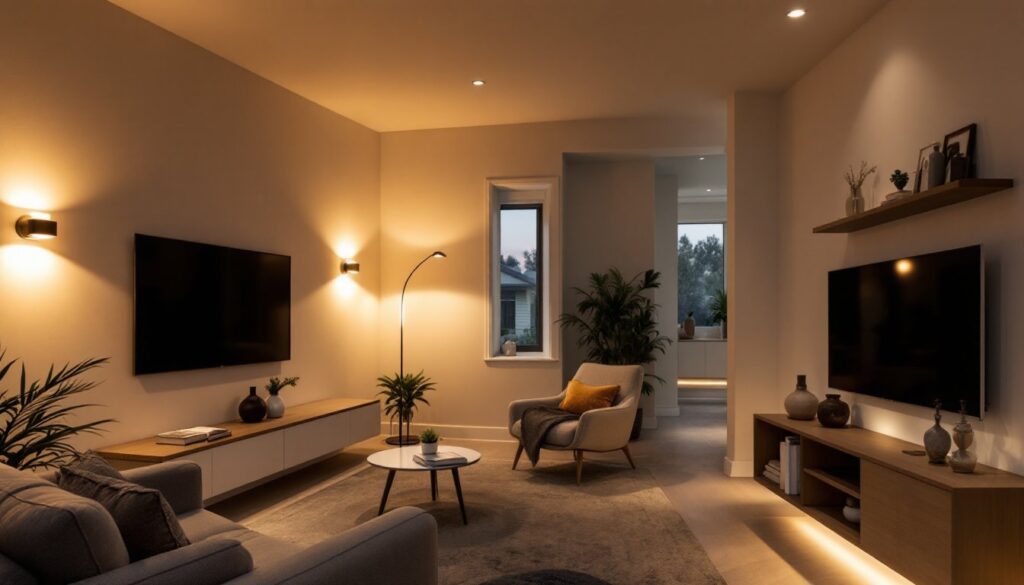
For larger or structural closet changes, check your local building codes. Most closet lighting doesn’t require a permit, but recessed lights in some jurisdictions must meet insulation contact (IC) ratings if near insulation. Your local building department can clarify in a quick phone call. Many living room lighting principles apply to closets, layering ambient and task light, choosing the right color temperature, and prioritizing safety. You might also explore your local lighting store for fixture samples and expert advice on what works in your space.
When sourcing products, resources like Tom’s Guide and Digital Trends offer reviews of smart lighting options and connected fixtures if you want to add motion sensors or app control. Budget-conscious DIYers often find creative solutions on IKEA Hackers, where users share clever ways to repurpose and adapt standard fixtures for closet use.
Conclusion
Upgrading closet lighting doesn’t have to be complicated or expensive. Whether you choose simple LED strips for a quick fix or invest in a flush-mount fixture for permanent, reliable illumination, the payoff is immediate: a closet that’s easier to navigate, more functional, and honestly, more enjoyable to use. Start with your priorities, do you need quick, supplemental light, or primary illumination?, measure your space, pick the right color temperature, and take your time with installation. A little light goes a long way.