Table of Contents
ToggleA well-lit backyard isn’t just functional, it’s transformative. Luxury outdoor lighting elevates your home’s exterior from overlooked to extraordinary, extending your living space into the evening while adding security and curb appeal. Whether you’re drawn to dramatic accent lighting that showcases landscape features, ambient fixtures that create gathering warmth, or smart systems that adjust with a tap, the right setup combines aesthetics with practicality. This guide walks you through choosing, designing, and installing luxury outdoor lighting that fits your space and lifestyle.
Key Takeaways
- Luxury outdoor lighting transforms your home’s exterior by combining aesthetics with security and functionality, extending your living space into the evening while boosting property value.
- Layer accent, ambient, and task lighting to create visual depth and sophistication—avoid overlighting by using one well-placed uplighter to highlight your best features rather than scattered fixtures.
- LED technology is the foundation of modern outdoor systems, consuming 75–80% less energy than halogen bulbs and lasting 25,000+ hours, making smart LED fixtures a cost-effective long-term investment.
- Match fixture style and warm white color temperature (2700K) to your home’s aesthetic for a cohesive look, and always use low-voltage systems for DIY installation while hiring a licensed electrician for line-voltage circuits.
- Design pathways with 0.5–1 footcandle of light spaced 18–24 inches apart using shielded downward-facing fixtures for safe navigation without glare or dark-sky violations.
- Smart outdoor lighting systems with app control and voice integration let you adjust brightness, schedule on/off times at sunset, and integrate with home security features for added convenience and protection.
Why Luxury Outdoor Lighting Transforms Your Space
Outdoor lighting does more than illuminate: it defines mood, function, and property value. A thoughtfully designed system highlights architectural features, creates safe pathways, and extends usable hours on your patio or deck. Luxury fixtures, whether low-voltage LED systems or high-end sconces, last longer, consume less energy, and offer design flexibility that standard hardware-store options can’t match.
Beyond aesthetics, proper outdoor lighting improves security by eliminating dark corners where intruders might hide, and it makes evening entertaining safer and more inviting. When layered correctly, accent, ambient, and task lighting work together to create visual depth and interest rather than flat, harsh glare. Many homeowners discover that upgrading outdoor lighting is one of the quickest wins in home improvement, the impact is immediate and visible to neighbors and guests alike.
Essential Types of Luxury Outdoor Lighting Fixtures
Accent and Landscape Lighting
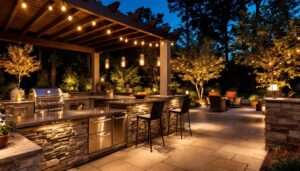
Accent lighting is the spotlight of outdoor design. It targets specific features, a specimen tree, stone wall, water feature, or architectural detail, to create visual drama after dark. Low-voltage LED uplights and spotlights (typically 12V systems) are the workhorses here: they’re energy-efficient, run cool, and allow you to layer light at different angles for depth.
When selecting accent fixtures, consider the throw distance (how far light reaches) and beam angle (spread width). A narrow 15° beam concentrates light tightly, ideal for grazing a textured wall, while a 35° beam spreads wider for tree canopies. Position lights at ground level, angled upward, or mounted on structures, just avoid shining directly at windows or neighboring yards. Curated collections of outdoor lighting options showcase modern fixtures that balance durability with design in rain or shine.
Path and landscape lighting guides movement while adding subtle ambiance. Low-profile LED path lights (typically 2–4 watts) line walkways, steps, and planting beds without overwhelming the landscape. Pair them with ground-level deck lights or step lights recessed into railings for safe, layered navigation.
Ambient and Pathway Lighting
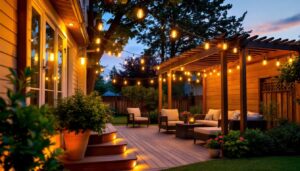
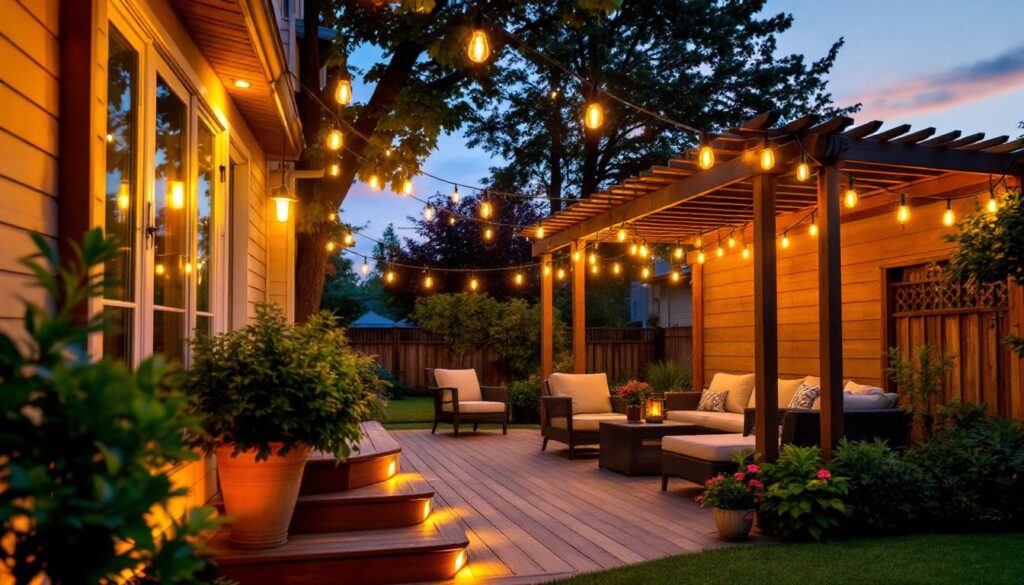
Ambient lighting softens your outdoor space and encourages lingering. Pendant fixtures, wall sconces, and string lights hung overhead or along pergolas create welcoming zones without harsh shadows. For a luxury touch, choose fixtures with dimmable LED bulbs (warm white, 2700K color temperature) that let you adjust mood from energetic entertaining to intimate evening glow.
Pathway and entry lighting combines safety with style. Install flush-mount ceiling lights under eaves or soffits, wall-mounted lanterns flanking doors, and in-ground well lights for subtle drama. Ensure pathways receive at least 0.5 to 1 footcandle of light (about the brightness of a night-light) per accessibility and safety standards, bright enough to navigate safely, not so bright it causes glare or disrupts neighbors. Test fixture angles and brightness before committing: a handheld flashlight held at the fixture’s angle gives a preview.
Design Principles for High-End Outdoor Lighting
Effective outdoor lighting design follows three rules: layer, highlight, and balance.
Layering means combining accent, ambient, and task lighting so no single fixture dominates. A patio might feature overhead string lights for general glow, LED spotlights accent mature trees, and recessed deck steps provide task lighting. This depth feels sophisticated and functional.
Highlighting draws the eye to your best features. Whether it’s an architect-designed fence, mature landscaping, or a water feature, strategic accent lighting makes these investments pay off visually. Avoid overlighting: one well-placed uplighter often outperforms scattered low-wattage floods.
Balance means matching fixture style to your home’s aesthetic and materials. Modern homes suit clean-lined, minimalist fixtures (think brushed steel or matte black), while traditional properties shine with lantern sconces or vintage-inspired pendants. Consistency in finish and scale prevents a chaotic, mismatched appearance. Research design inspiration on Southern home aesthetics for regional style cues.
Color temperature matters too. Warm white (2700K) is inviting and hides imperfections: cool white (4000K+) feels clinical outdoors. Stick with warm tones for entertaining and gathering spaces, reserve cooler temps for task lighting near garages or entries where clarity helps.
Smart and Sustainable Lighting Solutions
Smart outdoor lighting systems let you control brightness, color, and scheduling from your phone or voice assistant. WiFi-enabled LED systems pair with apps to adjust settings remotely, schedule lights to turn on at sunset and off at midnight, and even integrate with home security (lights flash if motion is detected). Brands supporting Alexa, Google Home, or Apple HomeKit offer convenience without proprietary ecosystems.
Sustainable choices start with LED technology, which uses 75–80% less energy than incandescent or halogen bulbs and lasts 25,000+ hours. Solar path lights and accent fixtures eliminate wiring and electricity costs, though they’re best suited for areas with reliable sunlight: many affordable options now offer adequate nighttime runtime. For permanent installations, low-voltage LED systems with timers or daylight sensors reduce energy waste, lights activate only when needed.
When budgeting, compare upfront cost to long-term savings. A $150 smart LED fixture costs pennies per month to run and lasts 10+ years: a $30 halogen uplighter costs more in replacements and electricity within three years. Home improvement professionals often recommend LED systems for their reliability and minimal upkeep.
Installation and Maintenance Tips for Outdoor Fixtures
Before installing, map your layout. Sketch your patio, landscape, and hardscape: mark fixture locations with stakes and test angles with flashlights or battery-powered work lights. This prevents costly mistakes and rewiring.
Low-voltage systems (12V LED) are ideal for DIY installation, safer than line voltage and requiring only a buried cable and transformer. Run cables in conduit (plastic or metal tubing) to protect them from spades and weather. Bury cables at least 12 inches deep in established beds: shallower placement under hardscape is acceptable if you mark it clearly. Use outdoor-rated wire connectors (not standard electrical caps) to prevent corrosion.
Line-voltage fixtures (120V) require an electrician and proper permits, don’t skip this. Running power outdoors involves buried underground feeder (UF) cable, weatherproof connections, and GFCI protection per electrical code. Most jurisdictions require permits for outdoor circuits: your inspector catches unsafe shortcuts and protects you legally.
Maintenance is minimal with LED fixtures. Clean lenses annually with a soft cloth and mild soap: debris and pollen reduce light output. Inspect cables for cuts or corrosion before winter. Check mounting bolts every 1–2 years: outdoor wind and temperature changes loosen fasteners. Replace any fixtures showing water inside the lens.
For fixture placement, position accent lights 3–6 feet from features and aim slightly downward to avoid glare into eyes. Bury pathway lights 18–24 inches apart for safe night navigation, and use shielded fixtures that direct light downward, not upward into the sky (good for dark-sky compliance and reducing insect attraction).